Enjoy 15% - 20% on Handpicked Styles

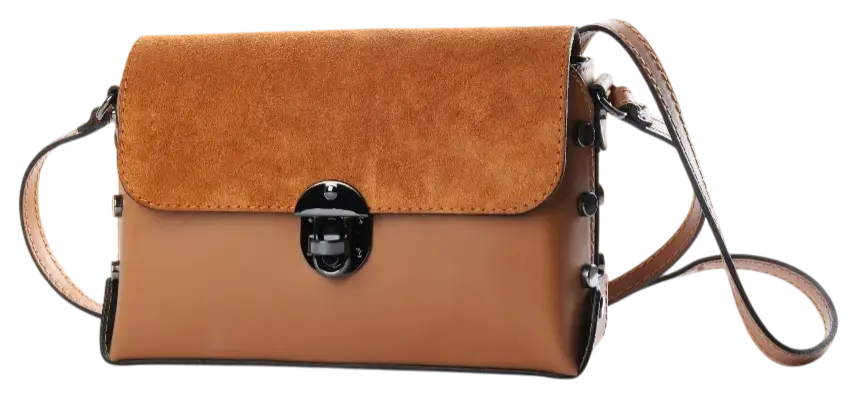
More Than an Accessory: How Handbags Influence the Way We Move Through Our Day
Often viewed as a practical fashion accessory, a handbag is a place to store everyday essentials while it complements your overall outfit. Nevertheless, handbags are not just about appearance and convenience. Handbags have the subtle power of influencing how we move across our daily routines, interact within our surroundings, and approach the demands of daily life as well.
The moment we set foot outside our home in the morning to the time we return in the evening; handbags serve as a constant companion for us. You carry all your items that helps you stay organized, prepared, and confident throughout the day. Every handbag affects your movement, from compact to large and structured to relaxed. Besides, they affect your habits and decision-making as well, all in a way that you may not immediately recognize.
By understanding this connection, you will be able to make more thoughtful choices, when you’re selecting a handbag. This ultimately improves your comfort and functionality in your day-to-day life.
The Relationship Between Handbags and Daily Routines
A series of transitions take place every day, as we move between home, work, social engagements, errands, appointments, and even recreational activities. A handbag acts as a portable extension of your personal space, throughout all these transitions.
Handbags have contents that often include items supporting your productivity, communication, personal grooming, and even organization. Our handbags make it possible for us to carry our phones, wallets, notebooks, keys, chargers, and even other essentials.
Our days run smoothly because of our handbags, and we fail to realize this. We move more efficiently; thanks to the help we get from the right handbag. On the other hand, an unwanted one can create unnecessary inconvenience.
How Size Influences Movement
One of the many noticeable ways handbags affect our daily experience is through size.
A spacious tote offers room for documents, devices, water bottles, and personal belongings. This level of capacity can reduce the need for additional bags and help individuals feel prepared for a wide range of situations.
However, larger handbags may also encourage carrying items that are rarely used. Extra weight can affect comfort during commutes, shopping trips, or long days spent walking.
On the other hand, smaller handbags encourage simplicity. Limited space naturally encourages individuals to prioritize essentials and avoid carrying unnecessary items.
The choice between a large handbag and a compact design often reflects lifestyle needs. Someone who travels frequently between meetings may appreciate a larger bag, while someone focused on convenience and mobility may prefer a lightweight crossbody or shoulder bag.
The Psychological Effect of Being Prepared
There is a sense of reassurance that comes from knowing important items are within reach.
A well-organized handbag can create a feeling of readiness that positively influences confidence throughout the day. Having access to essentials such as identification, payment methods, communication devices, and personal items allows individuals to focus on their responsibilities without distraction.
This sense of preparedness often reduces stress in unexpected situations. Whether responding to a last-minute invitation, navigating travel delays, or handling an unplanned task, a thoughtfully packed handbag can provide practical support.
In many ways, handbags contribute to peace of mind by helping people feel equipped for the uncertainties of everyday life.
Handbags and Personal Efficiency
Time is a valuable resource, and the design of a handbag can directly influence how efficiently we use it.
A handbag with well-organized compartments makes it easier to locate items quickly. Instead of searching through a crowded interior, individuals can access essentials with minimal effort.
This may seem like a small detail, but repeated throughout the day, efficient organization can save significant time and reduce frustration.
Features that often improve usability include:
- Dedicated phone compartments
- Secure zippered pockets
- Easy-access exterior sections
- Structured interiors
- Adjustable carrying options
These design elements contribute to smoother daily experiences and allow users to focus on their priorities rather than managing clutter.
The Impact on Physical Comfort
The way a handbag is carried affects movement and comfort throughout the day.
Heavy handbags may place strain on the shoulders, arms, or back, particularly during extended use. Conversely, lightweight designs often promote greater freedom of movement and comfort.
Different carrying styles also influence posture and mobility.
Shoulder Bags
Shoulder bags offer convenience and accessibility, making them popular for daily use. They allow quick access to belongings while keeping hands relatively free.
Crossbody Bags
Crossbody handbags distribute weight more evenly across the body. This design often supports greater comfort during long periods of walking or travel.
Handheld Bags
Structured handbags carried by hand can create a polished appearance. However, they may require more active carrying and can limit flexibility in certain situations.
Choosing the right carrying style can significantly influence how comfortable and efficient daily movement feels.
Supporting Different Lifestyles
No two routines are exactly alike, which is why handbag preferences vary widely.
Professionals may prioritize spacious interiors that accommodate laptops, notebooks, and work essentials. Parents may value organizational features that simplify busy schedules. Travelers often seek lightweight designs that provide security and convenience.
Students, entrepreneurs, creatives, and frequent commuters all have unique needs that influence their handbag choices.
When a handbag aligns with an individual's lifestyle, it becomes a practical tool that enhances productivity and convenience. When it does not, daily activities may feel more complicated than necessary.
This is why selecting a handbag based solely on appearance can sometimes result to dissatisfaction. Functionality plays an equally important role.
The Connection Between Confidence and Accessories
Fashion is often linked to self-expression, and handbags contribute significantly to how individuals present themselves.
Carrying a handbag that feels appropriate for the occasion can create a greater sense of confidence. Whether attending a business meeting, enjoying a social gathering, or exploring a new city, the right handbag can help individuals feel more prepared and comfortable.
Confidence often comes from knowing that an accessory supports both appearance and practicality.
This is not necessarily about sophistication or trends. Rather, it is about choosing a handbag that aligns with personal preferences, needs, and lifestyle demands.
When functionality and style work together, confidence tends to follow naturally.
Handbags as Tools for Organization
Organization affects nearly every aspect of daily life. A handbag often serves as the central location for items that need to remain accessible throughout the day.
Many people develop routines around the placement of essential belongings within their bags. Keys may always occupy one pocket, while cards, receipts, and technology accessories have designated locations.
These habits reduce decision fatigue and create consistency.
Over time, a well-organized handbag becomes part of a larger system that supports personal productivity and efficiency.
Rather than simply carrying possessions, it helps individuals manage their day more effectively.
Adapting to Different Situations
Modern lifestyles often require flexibility. A single day may include professional responsibilities, social engagements, shopping trips, and personal errands.
A versatile handbag helps bridge these transitions without requiring constant adjustments.
Neutral colors, adaptable designs, and practical storage solutions often make handbags suitable for multiple environments. This versatility reduces the need to switch bags frequently and supports smoother transitions throughout the day.
As schedules become increasingly dynamic, adaptability has become one of the many valuable qualities in handbag design.
Making Thoughtful Handbag Choices
Selecting a handbag is about more than matching an outfit. It involves understanding how the bag will support daily activities and personal routines.
When evaluating options, it can be helpful to consider:
- Daily storage requirements
- Preferred carrying style
- Typical commute or travel habits
- Desired level of organization
- Comfort during extended use
- Compatibility with existing wardrobe pieces
These factors help ensure that a handbag contributes positively to everyday experiences rather than becoming a source of inconvenience.
Final Thoughts
Handbags influence far more than fashion. They affect how we organize our belongings, manage our schedules, move through different environments, and approach daily responsibilities. The right handbag can support comfort, efficiency, confidence, and preparedness throughout the day.
By viewing handbags as both functional tools and style companions, individuals can make choices that better align with their routines and personal preferences. A thoughtfully selected handbag does more than carry essentials. It quietly shapes the way we navigate our world, helping us move through each day with greater ease, organization, and confidence.
The next time you choose a handbag, consider not only how it looks but also how it supports the way you live. You may discover that this everyday accessory plays a much larger role in your daily journey than you ever imagined.